Ever had your shower turn ice-cold out of nowhere? One minute you’re relaxing, the next you’re standing there annoyed, wondering if your water heater is finally giving up.
That moment usually sparks the big question homeowners face sooner or later: stick with a tank or switch to a tankless system? And choosing wrong can mean higher bills, constant repairs, or a system that never quite keeps up with your household.
Before you schedule a water heater installation or let a plumber talk you into the “latest upgrade,” there are a few things you’ll want to know first, things most people don’t hear until after they’ve made the wrong choice. Let’s break down what actually matters.
How Each System Actually Works
Before comparing features and costs, it helps to understand what these two systems actually do behind the scenes.
Tank Water Heaters
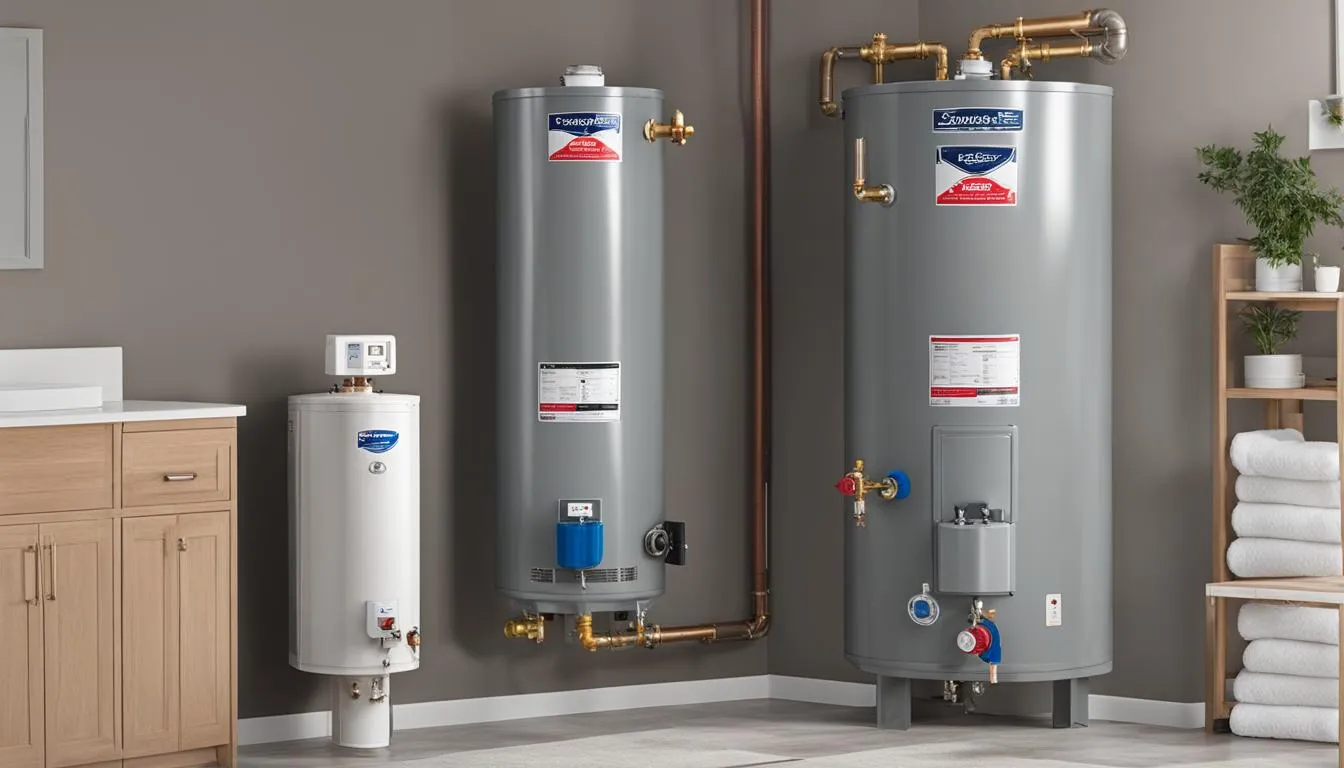
A tank system keeps 30 to 80 gallons of water heated around the clock. It’s always “on standby,” so when you turn on the tap, hot water is ready, until the tank runs out and needs time to reheat.
Tankless Water Heaters
A tankless system doesn’t store anything. It only fires up when you open a faucet and heats water on demand. Because of that instant process, it needs a stronger gas or electrical capacity to keep up.
The Traditional Tank Water Heater: The Old Reliable
Tank systems have been around forever for a reason: they’re simple, familiar, and they get the job done. If your home already has one, replacing it with another tank is usually the quickest and most affordable water heater installation.
Why Homeowners Still Choose Tanks
- Lower upfront cost – much cheaper than switching to tankless.
- Straightforward installation – often a direct swap, your plumber can do it the same day.
- High flow capacity – great for running multiple fixtures at once.
Where Tanks Fall Short
- They lose heat all day, even when no one’s using hot water.
- They take up a large floor space.
- Once the tank is empty, you’re waiting for it to reheat, which is precisely how those cold-shower surprises happen.
Tanks also deal with sediment buildup and rust, which is why repair calls become more common as they age.
The Tankless Water Heater: The Modern Upgrade
Tankless systems work differently; they don’t store hot water at all. Instead, they heat water as soon as you turn on the tap, giving you hot water on demand. That design is what makes them appealing for homeowners tired of running out mid-shower.
Why People Switch to Tankless
- Endless hot water – great for families, guests, or anyone who hates waiting.
- Saves space – mounts on the wall, which is why it doesn’t take up too much space.
- Better efficiency – no wasted energy reheating a big tank all day.
- Longer lifespan – many last over 20 years with proper maintenance.
Where Tankless Can Be Challenging
- Higher upfront cost due to additional plumbing work like venting or gas line upgrades.
- Requires annual flushing, especially in areas with hard water.
- Tankless water heater repair often needs a tech trained specifically for these systems.
If you’re thinking about the long game, tankless can pay off, but you also need to consider the expenses needed.
Tank vs. Tankless: How They Compare in Real Life
Once you understand how each system works, the real question becomes: which one actually fits your home, lifestyle, and budget? Here’s the side-by-side breakdown to help you decide before scheduling a water heater installation:
Upfront Cost
- Tank: The cheaper option and most replacements are straightforward, where a plumber can swap your old one out.
- Tankless: Costs more to install, and you need plumbing upgrades for gas lines, venting, or electrical work, which adds to the price.
Operating Costs
- Tank: Uses more energy because it reheats water all day, even when you’re not home.
- Tankless: Only uses energy when you turn on the tap. Lower monthly bills, especially for smaller households.
Performance & Comfort
- Tank: You can operate several fixtures simultaneously without any issues, as long as there is enough water in the tank.
- Tankless: Delivers unlimited hot water but might struggle when several people use it at once.
Maintenance & Repairs
- Tank: Needs annual flushing to avoid sediment buildup and repairs are cheaper, but tanks wear out faster.
- Tankless: Requires yearly flushing to prevent scale buildup. Tankless water heater repair is a specialized task, but it’s less frequent when the units are properly maintained.
Best Fit for Your Home
- Bigger households: Tanks can make more sense for back-to-back showers or heavy use.
- Smaller homes or long-term efficiency goals: Tankless is usually the smarter pick.
Choosing the right system is about which one works for your home and how you use hot water.
Why Professional Water Heater Installation Matters
Once you choose a system, the next make-or-break factor is the installation. Water heaters, tank or tankless, are not something you can DIY. Gas lines, venting, pressure settings, and safety valves all have to be set up correctly, or the unit won’t run the way it should.
This is where a licensed plumber protects you from surprises like leaks, carbon monoxide issues, or a heater that fails long before it should. A proper installation ensures the water heater performs the way you paid for, and keeps your warranty intact.
Ready to Pick the Right Water Heater? Here’s Your Next Step.
Choosing between a tank and a tankless system is tough when every option sounds good on paper. But you don’t live on paper, you live in a home with real water usage, real bills, and real limits on your plumbing.
If you want a clear answer for your situation, the easiest move is to talk to a plumber to install these systems. Contact Solace Plumbing Heating and Air for your water heater needs. Let’s determine the best water heater for your home, usage, and budget.



