
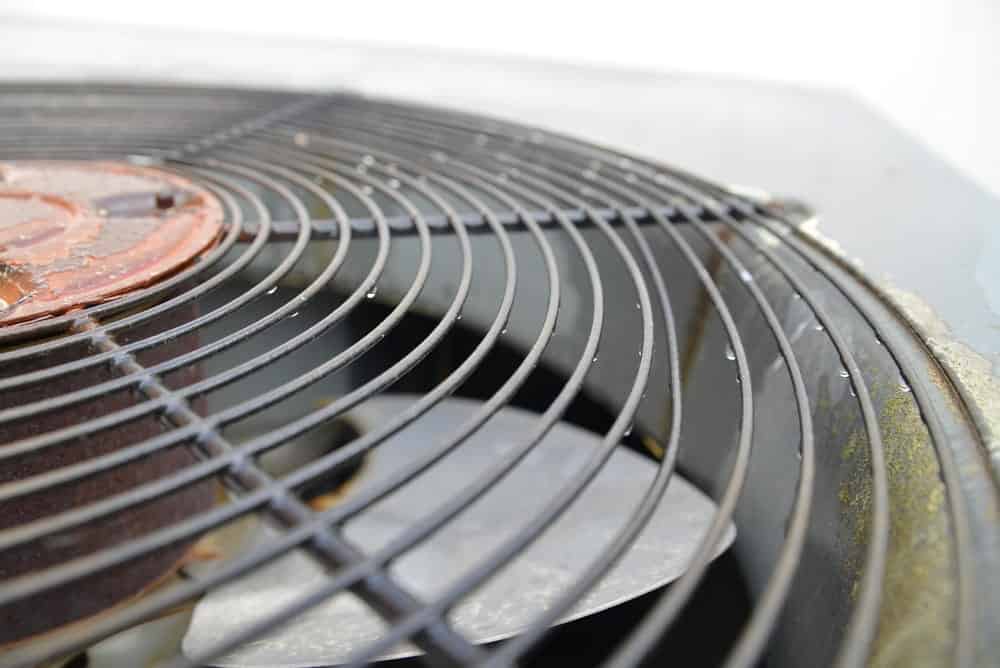
When a blower motor or blower assembly starts wearing out, the system can lose its ability to move enough air through the house. Rooms may take longer to heat or cool, airflow can become inconsistent, and the equipment may begin cycling or operating under more strain.
In Upland, where summer heat can push cooling systems hard for long stretches, a marginal blower may become much more noticeable when the system is running for hours. If you are looking into HVAC services in Upland, CA, it helps to understand what the blower actually does and what its failure looks like.
The Blower Is Responsible for Moving Conditioned Air
The blower is the air-moving component inside the indoor section of an HVAC system. During cooling, it moves household air across the evaporator coil and pushes the conditioned air through the supply ductwork. During heating, it moves air across the heat exchanger or heating coil and distributes the warmed air throughout the home.
That makes blower performance relevant to both sides of the system.
A cooling system can have a properly functioning compressor and still struggle to cool the house if the indoor blower cannot move the required volume of air. The same principle applies to heating. The furnace or heat pump may produce heat, but inadequate airflow can prevent that heat from reaching the rooms effectively.
Weak Airflow Is One of the First Signs
A blower that is losing performance does not always stop suddenly. More often, homeowners notice a gradual reduction in airflow.
You may feel less air coming from several vents than you remember. One room may become noticeably warmer or cooler than the rest of the house. The system may also take longer to change the temperature after a thermostat adjustment.
The important clue is the pattern.
If airflow is weak at multiple supply registers, the blower becomes one possible point of failure. A single weak register may instead indicate a duct restriction, closed damper, disconnected duct, or another distribution problem.
When we investigate weak airflow, we look at the blower alongside the rest of the air-distribution system rather than assuming the motor is automatically responsible.
What Can Make a Blower Perform Poorly?
A blower problem can involve the motor, electrical controls, the blower wheel, or conditions that make the assembly work harder than it should.
Common possibilities include:
- A blower motor that has developed an electrical or mechanical fault
- A failing run capacitor on systems that use a capacitor-supported motor
- A blower wheel with significant dust or debris buildup
- Worn motor bearings or other mechanical wear
- A motor that is overheating and shutting down
- Electrical problems affecting motor operation
- Incorrect motor speed or control signals
- Excessive resistance elsewhere in the duct system
Not every airflow complaint means the blower itself needs replacement. A severely restricted filter, blocked return, crushed duct, or dirty indoor coil can also reduce airflow and increase the workload on the blower.
That is why component-level testing matters.
Intermittent Blower Operation Can Be Harder to Catch
A blower does not have to fail completely to create a serious HVAC problem.
A motor that overheats may shut down and later operate again after cooling. An electrical component may work intermittently. A control issue can cause inconsistent operation. From inside the home, the symptom may simply look like an HVAC system that works normally at some times and poorly at others.
You might notice:
- Strong airflow when the system first starts, followed by weaker airflow
- The blower stopping before the thermostat is satisfied
- The indoor fan failing to start on some cycles
- Different airflow performance at different times of day
- A system that works better after sitting unused for a while
Intermittent operation deserves attention because the system can appear functional during a brief inspection. When we evaluate these complaints, the timing of the failure can be as useful as the symptom itself.
Unusual Sounds Can Point Toward Mechanical Wear
A blower assembly contains moving parts, so unusual sounds can provide useful clues.
A worn bearing may produce a grinding, squealing, or whining sound. A damaged or obstructed blower wheel can create vibration or an uneven mechanical noise. A loose component may produce rattling during operation.
Not every unusual HVAC sound originates with the blower. Duct expansion, relays, refrigerant components, and other equipment can produce their own noises.
The useful question is whether the sound occurs specifically when the indoor fan starts, runs, changes speed, or shuts down.
That timing helps narrow the diagnostic path.
A Struggling Blower Can Cause Overheating
Blower problems can create a particularly important issue in heating mode.
A furnace needs adequate airflow across its heat exchanger. If airflow becomes too restricted, the heat exchanger can become hotter than intended. Modern furnaces have safety controls designed to respond to excessive temperatures, including limit controls that can shut the burner off.
The homeowner may experience this as repeated cycling.
The furnace starts. It produces heat. The system shuts the burners down earlier than expected. The blower may continue moving air, and the cycle repeats.
Restricted airflow can contribute to this condition, but the blower is only one possible cause. A dirty filter, blocked return, restricted ductwork, or other airflow problem can produce similar symptoms.
This is one reason we do not treat repeated cycling as a simple thermostat problem.
Cooling Problems Can Develop for a Different Reason
The same blower that distributes heated air during winter is responsible for moving indoor air across the evaporator coil during cooling.
If airflow drops too far, the coil can become excessively cold. Under the right conditions, moisture can freeze on the coil and create an ice buildup. Once ice forms, airflow can deteriorate even further.
This can turn a relatively small airflow problem into a larger cooling problem.
Homeowners sometimes respond by lowering the thermostat because the house is not cooling quickly enough. That can keep the system running longer without addressing the underlying airflow restriction.
In Upland’s hot summer weather, extended cooling cycles can expose a marginal blower or airflow problem more quickly than moderate weather does.
The Blower and Duct System Have to Work Together
A properly operating blower cannot compensate indefinitely for a badly restricted duct system.
Supply ducts create resistance as air moves through them. Long runs, sharp transitions, undersized sections, crushed flexible duct, closed dampers, and other restrictions can reduce delivered airflow.
The return side matters too. The blower needs an adequate path for indoor air to get back to the equipment.
A common example is a bedroom with a closed door and limited return-air access. The supply register may be open, but the room can develop a pressure imbalance that affects the overall air path.
This is why we look at both supply and return airflow when investigating a blower complaint.
A Dirty Blower Wheel Can Change Airflow Without Killing the Motor
The motor can be electrically sound while the blower assembly still performs poorly.
The blower wheel uses curved blades to move air. When dirt accumulates on those blades, the wheel’s aerodynamic performance can change. Heavy buildup can reduce the amount of air the system moves and increase operating strain.
This distinction is useful because cleaning a blower wheel and replacing a blower motor are very different repairs.
A technician should determine what component is actually causing the performance problem before recommending a replacement.
Poor Airflow Can Make an HVAC System Run Longer
When conditioned air does not move effectively, the thermostat may take longer to reach its setpoint.
That can mean longer heating or cooling cycles.
Longer operation is not automatically evidence of a blower failure. A hot Upland afternoon, poor insulation, solar gain through west-facing windows, duct leakage, or an undersized system can all contribute to longer cooling cycles.
But if long cycles occur alongside noticeably weak airflow, unusual fan operation, or repeated temperature problems, the blower and air-distribution system deserve closer inspection.
What We Look At During an HVAC Blower Diagnosis
When a blower is suspected, we want to separate a component failure from an airflow problem elsewhere in the system.
Our inspection may involve checking:
- Filter condition and airflow restriction
- Blower motor operation
- Electrical connections and operating components
- Blower wheel condition
- Motor temperature and signs of overheating
- Indoor coil condition
- Supply and return airflow
- Duct restrictions or obvious damage
- System controls and blower commands
- Operating behavior in heating and cooling modes
The exact diagnostic path depends on the equipment and symptoms.
For example, a homeowner reporting weak airflow throughout the house requires a different investigation from someone reporting a blower that stops after 20 minutes of operation.
When Blower Problems Become HVAC Repair Issues
Some blower symptoms are inconvenient. Others indicate that continued operation could contribute to additional equipment problems.
If the blower is repeatedly overheating, stopping unexpectedly, producing severe mechanical noise, or failing to move adequate air, professional HVAC repair may be appropriate.
Do not assume that replacing the motor is automatically the answer. The underlying cause needs to be identified first.
If a new motor is installed while a major duct restriction remains, the replacement component can still be subjected to poor operating conditions.
Regular Maintenance Can Catch Blower Problems Earlier
Routine HVAC maintenance can provide an opportunity to inspect airflow-related components before a blower problem becomes an obvious system failure.
Maintenance does not make a blower immune to wear. Motors, capacitors, bearings, controls, and other components can eventually fail despite normal care.
The practical benefit is earlier detection.
A technician may notice unusual electrical readings, excessive dirt on the blower wheel, restricted filters, deteriorating components, or airflow changes before the homeowner experiences a complete loss of heating or cooling.
Commercial Systems Face the Same Component-Level Problem
Blower performance also matters in commercial HVAC equipment, where inadequate airflow can affect larger conditioned spaces and multiple zones.
A commercial system may have more complicated controls, multiple air-handling components, variable-speed equipment, or zoning arrangements. A blower problem can therefore present as an isolated comfort complaint in one area rather than an obvious system-wide failure.
The diagnostic principle remains the same: determine whether the problem originates with the blower, the controls, the duct system, or another HVAC component.
When Should You Call for Service?
Call for professional attention when weak airflow is persistent, the indoor fan behaves intermittently, or the system develops unusual operating sounds.
A complete loss of heating or cooling deserves more immediate attention. If you notice burning odors, repeated electrical interruptions, severe overheating, or unusual mechanical noises, shut the system down if it is safe to do so and seek professional service rather than repeatedly restarting it.
For customers who need emergency HVAC service, the priority is identifying why the equipment stopped operating and whether continued operation could damage the system.
Our team is available around the clock for situations that cannot reasonably wait.
FAQs About Worn HVAC Blowers
How do I know if my HVAC blower is going bad?
Weak airflow throughout the house, intermittent fan operation, unusual blower noises, overheating, and longer heating or cooling cycles can indicate a blower problem. Other airflow restrictions can cause similar symptoms, so testing is needed to identify the actual fault.
Can a bad blower affect both heating and cooling?
Yes. The indoor blower distributes conditioned air during both heating and cooling, so inadequate blower performance can affect either mode.
Can a dirty blower wheel cause weak airflow?
Yes. Significant buildup on the blower wheel can interfere with its ability to move air efficiently.
Will a bad blower make my AC stop cooling?
It can contribute to poor cooling performance, but weak cooling can have many causes. Reduced airflow can also allow the evaporator coil to become excessively cold and potentially freeze.
Does a blower motor always need to be replaced when airflow is weak?
No. Weak airflow can result from a restricted filter, dirty coil, duct restriction, return-air problem, control issue, or blower-wheel problem, among other causes.
How long can I run an HVAC system with a failing blower?
There is no safe universal timeframe. Continued operation can depend on the specific failure, and running equipment with inadequate airflow can contribute to overheating or other operating problems.
Get the Blower Problem Checked Before It Becomes a Bigger HVAC Problem
A house that slowly becomes harder to heat or cool may be pointing to weak airflow, an intermittent fan, unusual sounds, or overheating.
When in doubt, let Solace Plumbing Heating and Air evaluate the blower alongside the ductwork, return-air path, controls, and other components that affect airflow. We offer emergency service, financing, warranties, and payment terms, with a focus on high-quality workmanship and exceptional customer service.
If your Upland home is showing signs of a worn or struggling blower, contact us. Our team can find what’s actually causing the airflow problem before a minor component issue develops into a larger system failure.