
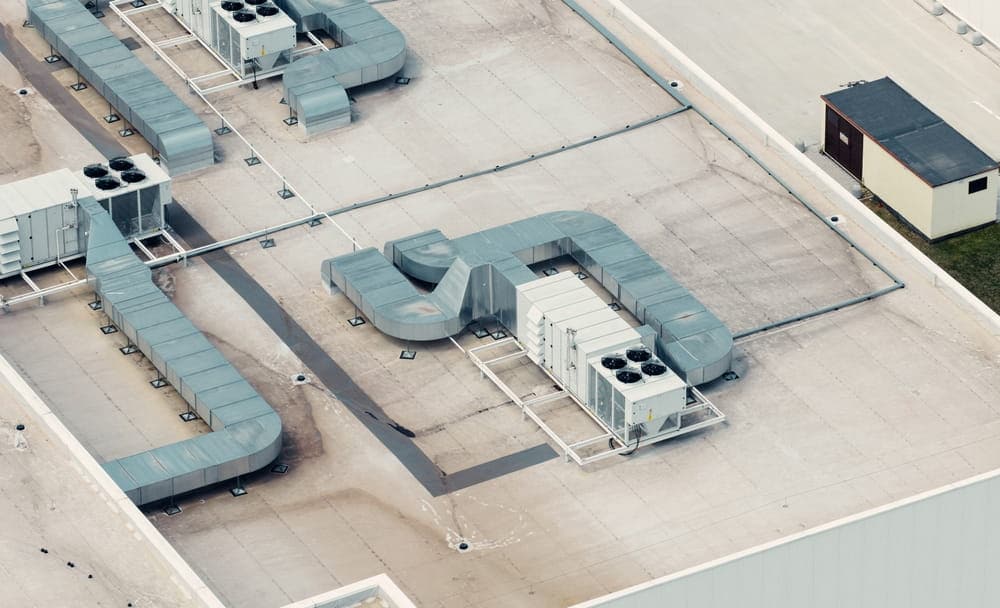
Rooftop units on commercial buildings typically last between 10 and 15 years, and once a system crosses that line, planning for a new one becomes part of the annual budget conversation instead of a surprise call. Property managers already track dozens of moving pieces across a building, so a rooftop unit failing mid-lease season creates a headache nobody wants to explain to ownership. This guide walks through the budget signals, the roof warranty coordination, and the tenant timing questions that come up most with a replacement project. Solace Plumbing Heating and Air offers HVAC services in Upland, CA, shaped around these exact conversations, from the first walkthrough to the final sign-off with your roofing contractor.
How Do I Know When to Budget for a Rooftop Replacement?
Most property managers don’t decide to replace a rooftop unit on a whim. In our experience, the decision usually builds around a pattern that shows up over a few months. A few signals tend to show up together:
- Rising utility bills without a change in tenant occupancy
- The same rooftop unit needing a technician visit more than twice in one year
- Uneven temperatures between floors or tenant complaints about comfort
- Refrigerant leaks tied to older R-22 systems, which the EPA phased out of production years ago
When two or more of these line up, it’s worth having a technician look at the whole system instead of paying for one more part. Routine commercial HVAC service can catch some of these early, but once a compressor or heat exchanger starts to fail, no amount of servicing brings back the original output.
Who Pays for a Rooftop Unit in a Multi-Tenant Building?
Cost allocation is one of the first questions property managers ask us, since many commercial leases split HVAC costs through common area maintenance charges or capital reserve funds. Reviewing lease language early helps avoid disputes once a project starts, since some agreements treat a full rooftop swap as a capital expense owners cover, while others fold it into the shared operating budget tenants pay into. Getting this sorted before a contract is signed keeps the project moving instead of stalling over billing questions midway through installation.
Why Sizing Errors Cut a Rooftop Unit’s Life Short
A unit that’s too big or too small for a building cycles on and off more than it should, which wears parts down years before their time. This is one of the most common reasons a rooftop unit fails at year eight instead of year fifteen. Correct sizing depends on square footage, ceiling height, insulation, and how many people typically occupy the space at once. A proper HVAC maintenance plan includes checking that the unit still matches the building’s current load, especially after a floor gets renovated or a tenant mix changes.
How Do You Coordinate Replacement With Your Roof Warranty?
Rooftop units sit on curbs sealed into the roofing membrane, so swapping a unit without looping in your roofing contractor can void a roof warranty without anyone realizing it until a leak shows up later. Most roofing manufacturers require a licensed contractor to inspect and reseal the curb area once mechanical work wraps up. Scheduling the crane lift, the electrical disconnect, and the roofing inspection in the right order keeps both warranties intact and avoids a second crew having to return for a fix that could have been handled in one visit.


What Does Replacement Day Look Like for Tenants?
Downtime is the part property managers worry about most, since a building without conditioned air during business hours brings complaints fast. Replacement crews typically time the crane lift for early morning or weekend hours when occupancy runs low, and for buildings with several tenants, staging one unit at a time spreads out both the disruption and the cost across the year. A short notice to tenants a few days ahead, explaining the timeline and who to call with questions, cuts down on frustration during the changeover.
Rooftop Unit Replacement FAQ
How much does a rooftop unit replacement cost for a commercial building?
Costs shift with tonnage and roof access, but most commercial HVAC replacements land between $8,000 and $30,000 depending on unit size and site conditions.
Can we replace units in stages instead of all at once?
Yes. Many buildings replace one rooftop unit at a time as each reaches the end of its service life, which spreads the investment across several budget cycles instead of one large expense.
Does regular servicing really extend how long a unit lasts?
Consistent HVAC maintenance, including coil cleaning and refrigerant checks, can add several years before parts start failing outright.
What happens if we skip roof warranty coordination?
Skipping that step can void a roofing warranty, leaving the property owner responsible for leak repairs that a coordinated installation would have covered.
Let’s Plan Your Building’s Next Rooftop Unit
If a rooftop unit on your property is showing its age, our team is available around the clock, including emergency calls, so a small issue doesn’t turn into a bigger one for your tenants. We’re licensed, bonded and insured, family-owned and operated, and we back every installation with solid warranties and workmanship that holds up over time. Financing and flexible payment terms are available too, so budget timing doesn’t have to hold up a replacement your building needs.
Call Solace Plumbing Heating and Air today to schedule a rooftop inspection and get a clear plan for your next project.