
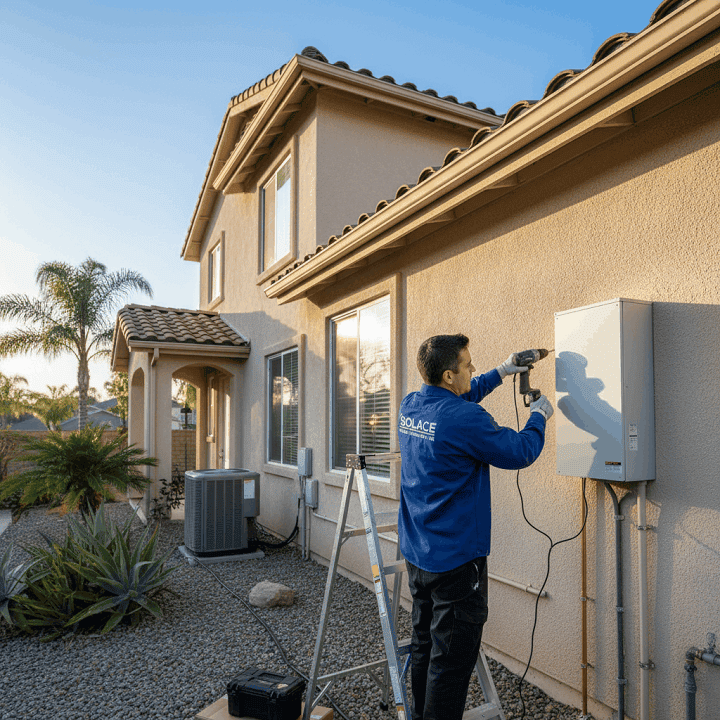
The best time to install a new air conditioner or furnace is before the season when you’ll rely on it the most. In Rancho Cucamonga, that usually means replacing an air conditioner in late winter or spring before summer temperatures climb, while fall is often the ideal time to install a new furnace before cooler evenings arrive. Planning ahead gives you more flexibility to compare equipment, schedule installation, and enjoy dependable comfort when the weather changes.
Southern California’s climate places far more demand on cooling equipment than heating systems, so timing isn’t always the same for every replacement. Understanding how seasonal weather affects your home’s comfort can help you make a more informed decision about HVAC installation in Rancho Cucamonga, CA, instead of waiting until your system quits during its busiest time. At Solace Plumbing Heating and Air, we help homeowners plan replacements around how they use their systems, not just what’s on the calendar.
When Should You Replace an Air Conditioner?
Summer temperatures in the Inland Empire regularly climb well into the 90s and beyond, making air conditioning one of the hardest-working systems in many homes. Replacing your AC before that demand arrives helps you avoid the inconvenience of losing cooling during a heat wave.
Scheduling HVAC system installation in late winter or spring also gives you time to compare efficiency ratings, review warranty options, and choose equipment that fits your home’s cooling needs before installation schedules become busier.
When Is the Best Time to Replace a Furnace?
Heating systems usually work much less frequently in Southern California than air conditioners, but that doesn’t mean furnace replacement should be delayed indefinitely. Fall is generally the most practical time to install a new furnace because cooler weather has not fully settled in, giving homeowners time to complete the project before nighttime temperatures begin to drop.
If your furnace has become unreliable or requires frequent repairs, replacing it before winter arrives can help prevent an unexpected loss of heat during colder months.
Why Waiting Until a Breakdown Isn’t Ideal
Many heating and cooling systems fail after years of heavy seasonal use. An air conditioner that struggles through another hot summer or a furnace nearing the end of its service life may stop working when you need it most.
Planning residential HVAC installation before equipment reaches that point gives you more opportunities to compare systems, ask questions, and select equipment that matches your home’s size and comfort goals instead of making a rushed decision during an outage.
How Can You Tell It’s Time for a Replacement?
The calendar is only one factor. Your equipment may already be showing signs that replacement deserves consideration.
Some of the most common indicators include:
- Frequent system breakdowns.
- Rising utility bills without changes in energy use.
- Uneven temperatures throughout the home.
- Unusual noises or persistent odors.
- Equipment that is around 15 to 20 years old.
According to the U.S. Department of Energy, replacing older heating and cooling equipment with newer, energy-efficient models can reduce energy consumption while improving indoor comfort.
What Happens During a New Installation?
Knowing what to expect can make the process easier from start to finish. Most residential installations include:
- Removing the existing equipment.
- Preparing the installation area.
- Installing the new indoor and outdoor components.
- Connecting electrical, refrigerant, and ductwork as needed.
- Testing airflow, thermostat operation, and overall system performance.
Proper installation also supports equipment efficiency and helps meet manufacturer warranty requirements.

Questions Homeowners Often Have Before Replacing Their System
Can I replace only my air conditioner?
Yes. If your furnace is still compatible and in good condition, replacing only the air conditioner may be the right option.
Is it worth replacing both systems together?
It can be, especially if both units are approaching the end of their expected service life or were originally installed as a matched system.
How long does installation usually take?
Many residential installations are completed within one day, although projects involving ductwork modifications or larger homes may require additional time.
Will a new system reduce my energy bills?
Many modern systems use less energy than older equipment when properly sized and professionally installed. Savings depend on your home’s characteristics and current equipment.
Plan Your Replacement Before the Busy Season Begins
Replacing your heating or cooling system before peak demand arrives gives you more control over the process and helps reduce the chances of dealing with an unexpected breakdown during extreme weather. Instead of waiting until your equipment can no longer keep up, schedule your replacement when you have time to compare options and choose the system that best fits your home.
At Solace Plumbing Heating and Air, we’re a family-owned and operated company committed to high-quality workmanship and exceptional customer service. We’re licensed, bonded, and insured, offer financing and flexible payment terms, stand behind our work with warranties, and remain open 24 hours with emergency services available whenever they’re needed. Contact us today to discuss the right time for your next heating or cooling replacement.